
We offer a wide range of services, from Air Conditioning Repair to installations and maintenance. We also provide emergency services 24/7 so that you can always count on us when you need us most.

We offer a wide range of Services to choose from, so you can find the perfect solution for your needs.
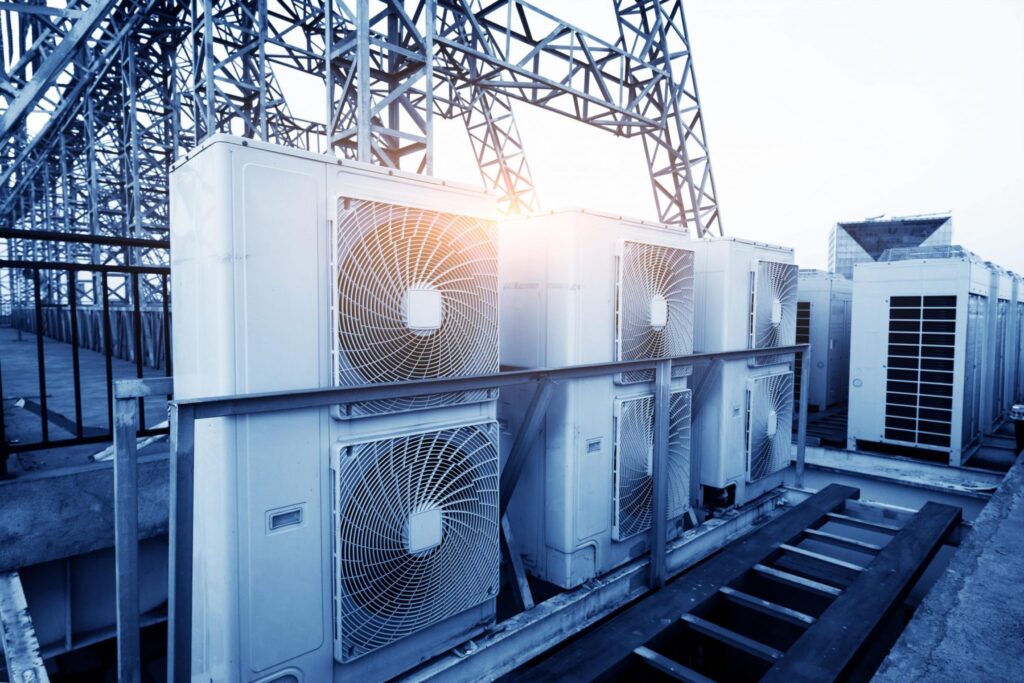
HVAC (Heating, Ventilation, and Air Conditioning) service and repair is a crucial aspect of maintaining a comfortable and healthy living environment. HVAC systems are responsible for regulating temperature and air quality in homes and buildings, and regular maintenance and repairs are necessary to ensure they continue to function properly. IBN Majid’s HVAC service and repair technicians are skilled in diagnosing and resolving issues with HVAC systems, including ductwork, air filters, compressors, and thermostats. We also perform routine maintenance tasks such as cleaning and adjusting the system to ensure it is running at peak efficiency. Hiring a professional HVAC service and repair company can save homeowners and business owners time and money by preventing more serious and costly problems from occurring in the future.
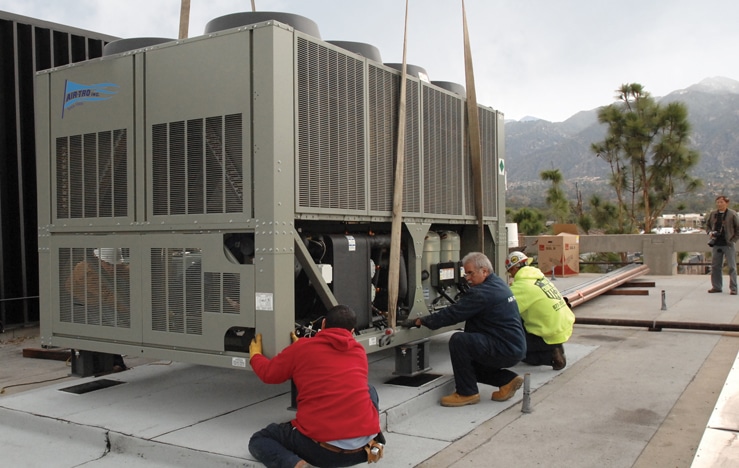
Chiller installation is the process of setting up and connecting a chiller, which is a type of HVAC equipment used for cooling large buildings and industrial processes. Chillers work by circulating a coolant, such as water or refrigerant, through a closed loop system to absorb heat and transfer it to a separate location, typically outside the building. The installation process typically involves selecting the appropriate size and type of chiller for the application, preparing the site and equipment, connecting and configuring the chiller and its components, and performing any necessary testing and adjustments. Chiller installation is typically done by experienced HVAC technicians or specialized mechanical contractors with knowledge of the specific requirements and regulations for the installation. Proper installation is essential to ensure the chiller operates efficiently and effectively, and to comply with safety and building codes.
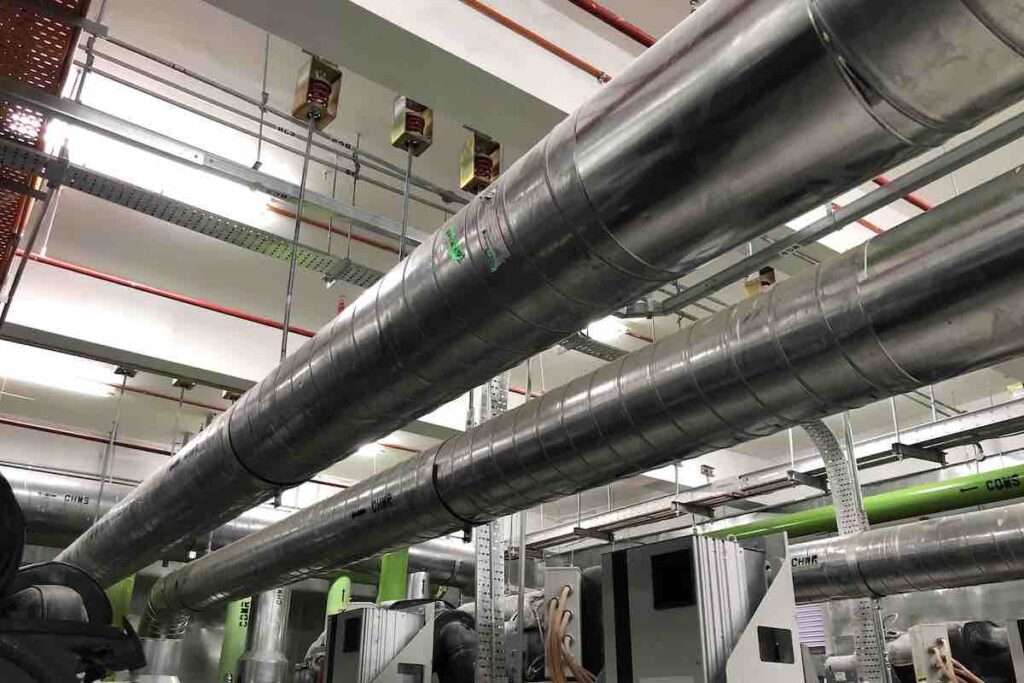
Chilled water piping is a system of pipes that is used to distribute chilled water throughout a building or facility for air conditioning and refrigeration. The water is cooled by a chiller, which typically uses refrigerant to cool the water, and then pumped through the pipes to air handling units or other cooling equipment. The chilled water is then used to cool the air in the building, and the warmer water is returned to the chiller to be cooled again. Chilled water piping systems can be designed in a variety of ways, including parallel, series, primary-secondary, and variable flow systems.
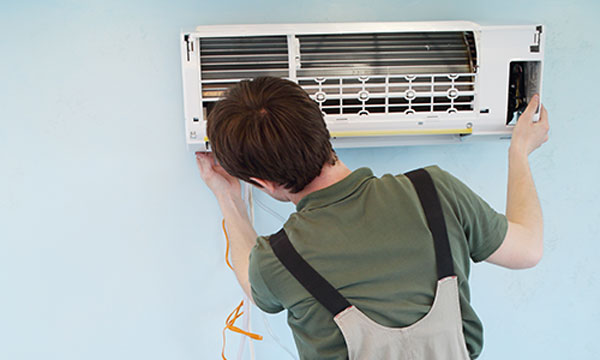
Split unit installation refers to the installation of an air conditioning system that is composed of two separate units: an indoor unit and an outdoor unit. The indoor unit, also known as the evaporator, is installed inside the building and typically contains the air filter, evaporator coil, and fan. The outdoor unit, also known as the condenser, is installed outside the building and contains the compressor and condenser coil.
The two units are connected by refrigerant lines, which transfer the refrigerant between the evaporator and condenser coils to cool the air inside the building.
It is important to note that split unit installation requires professional and trained technicians to ensure proper and safe installation, and compliance with the local building codes and regulations.
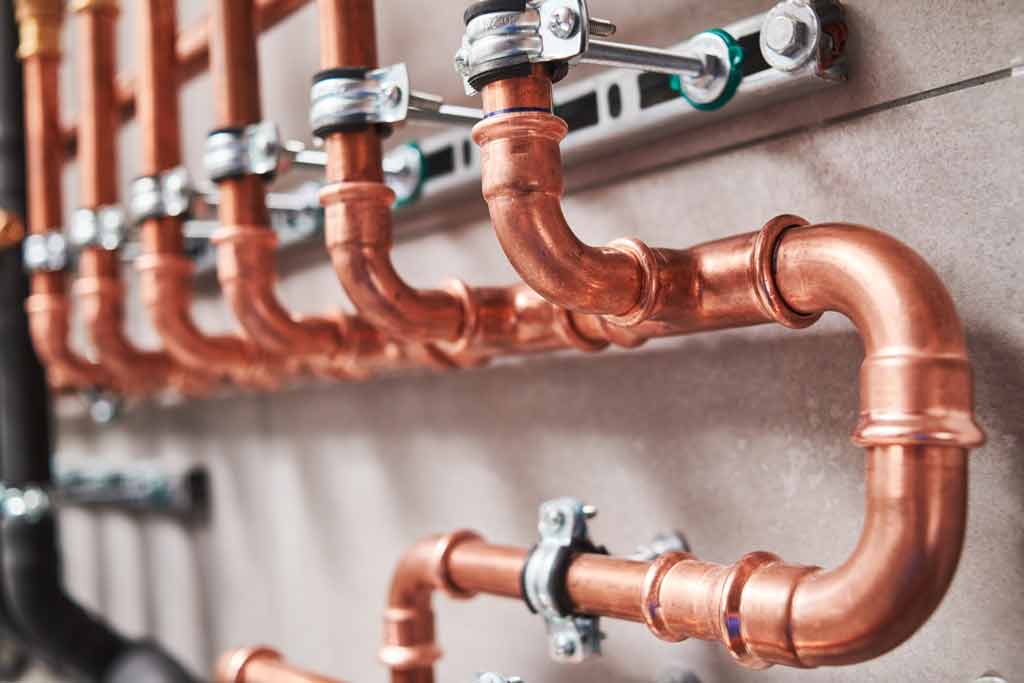
Copper pipe work refers to the use of copper pipes for plumbing and HVAC (heating, ventilation, and air conditioning) systems. Copper pipes are made from copper alloy and are used to transport water, air, and other fluids throughout a building.
Copper pipes are available in a variety of sizes and thicknesses, and can be joined together using a variety of methods, including soldering, brazing, and compression fittings. Copper pipes are widely used in both residential and commercial buildings, particularly in the HVAC and plumbing systems, but also in industrial piping systems.
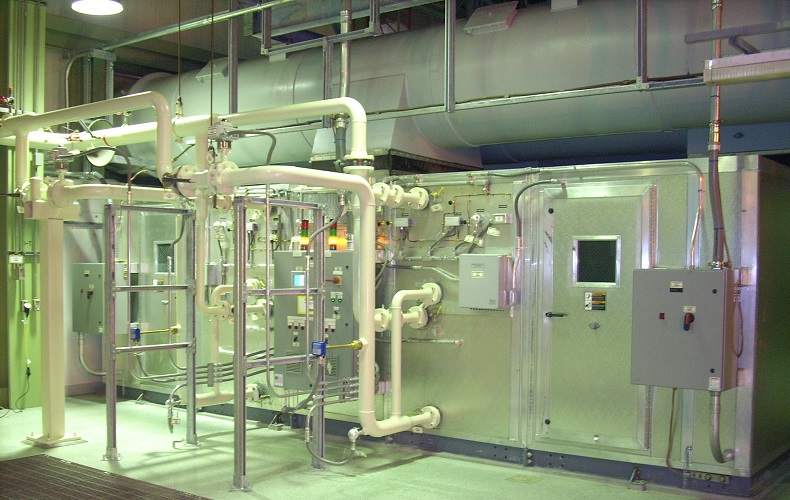
AHU stands for Air Handling Unit, which is a device used in HVAC (heating, ventilation, and air conditioning) systems to condition and circulate air throughout a building.
FAHU stands for Fresh Air Handling Unit, which is a type of AHU that is specifically designed to introduce fresh outdoor air into a building while also conditioning and circulating the air. It is important to note that AHU and FAHU installation requires professional and trained technicians to ensure proper and safe installation, and compliance with the local building codes and regulations.
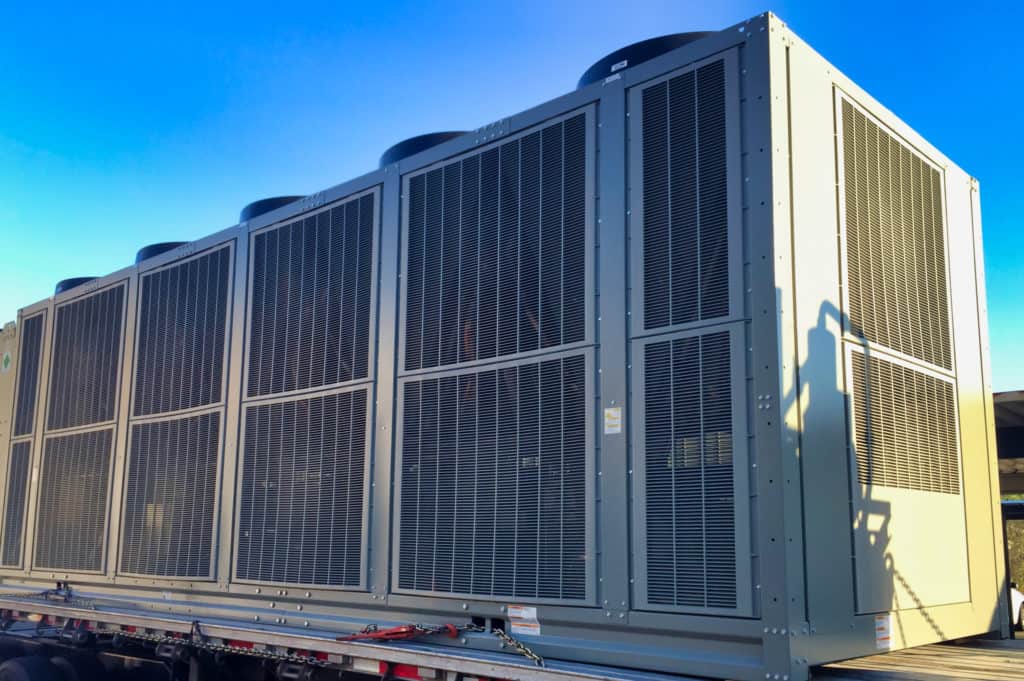
A package unit is a self-contained HVAC (heating, ventilation, and air conditioning) system that combines all the necessary components in one unit, including the compressor, condenser, evaporator, and air handling components such as filters and fans. Package units are typically used for small to medium-sized buildings, or for specific zones or areas within a larger building.
It is important to note that package unit installation requires professional and trained technicians to ensure proper and safe installation, and compliance with the local building codes and regulations.
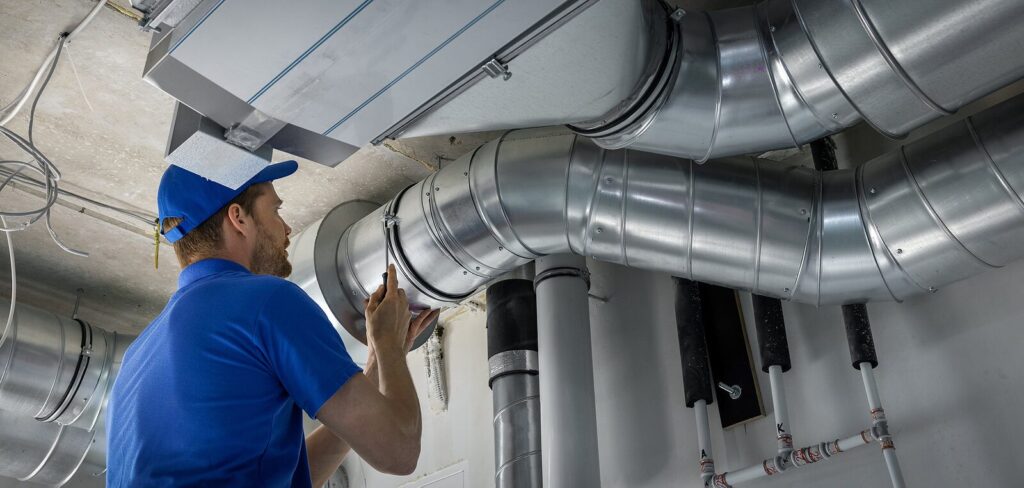
Ductwork is a system of pipes or ducts that is used in HVAC (heating, ventilation, and air conditioning) systems to distribute air throughout a building. The ducts are typically made of sheet metal, fiberglass, or flexible materials such as insulated flex duct. Ductwork can be installed in a variety of ways, including in walls, ceilings, and floors, and can be either rectangular or round in shape.
The design and installation of ductwork systems is a critical aspect of HVAC systems, it must be properly designed, manufactured and installed to ensure the efficiency of the HVAC system, and the comfort of the building occupants
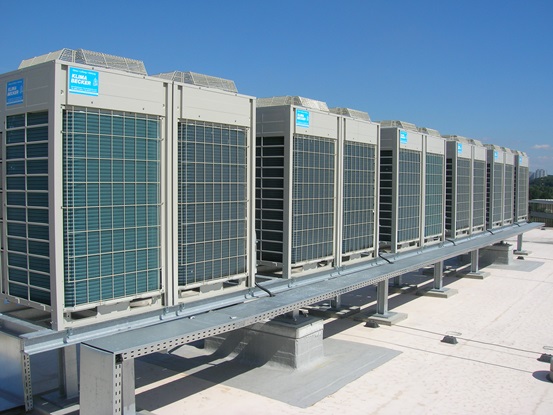
VRF stands for Variable Refrigerant Flow, which is a type of HVAC (heating, ventilation, and air conditioning) system that uses a refrigerant to provide both heating and cooling. VRF systems consist of an outdoor unit, called a heat pump or condenser, that is connected to multiple indoor units, called air handlers or fan coils, by refrigerant lines.
The key feature of VRF systems is their ability to vary the refrigerant flow to each indoor unit based on the heating or cooling needs of that space. This allows for greater energy efficiency and improved temperature control, as the system can adjust the flow of refrigerant to match the load of each zone.
VRF systems are ideal for larger buildings such as commercial buildings, hotels, schools, and hospitals, as well as in residential buildings with multiple zones or areas with different heating and cooling needs.
Chemical treatment refers to the use of chemical substances to control and prevent problems in various types of systems and equipment. The type of chemical treatment will depend on the specific system or equipment being treated and the issues that need to be addressed. Some common examples of chemical treatment include:
Water treatment: This involves the use of chemicals to control issues such as corrosion, scale buildup, and microbiological growth in water systems, such as boilers, cooling towers, and swimming pools.
HVAC systems: This involves the use of chemicals to control issues such as mold, bacteria, and corrosion in air conditioning and heating systems, such as ductwork and coils.
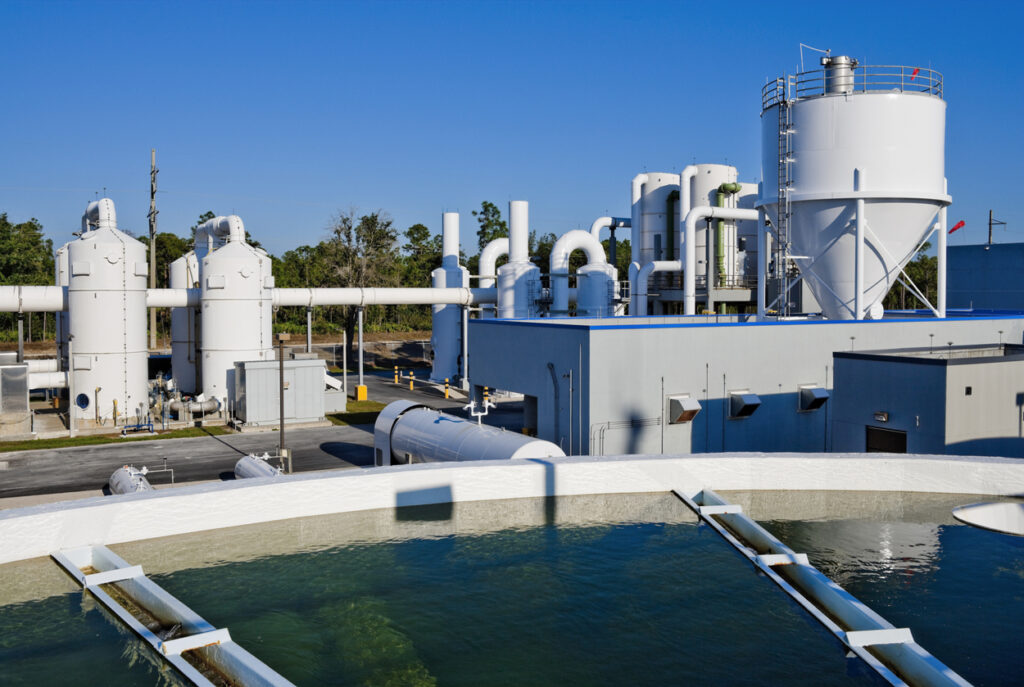
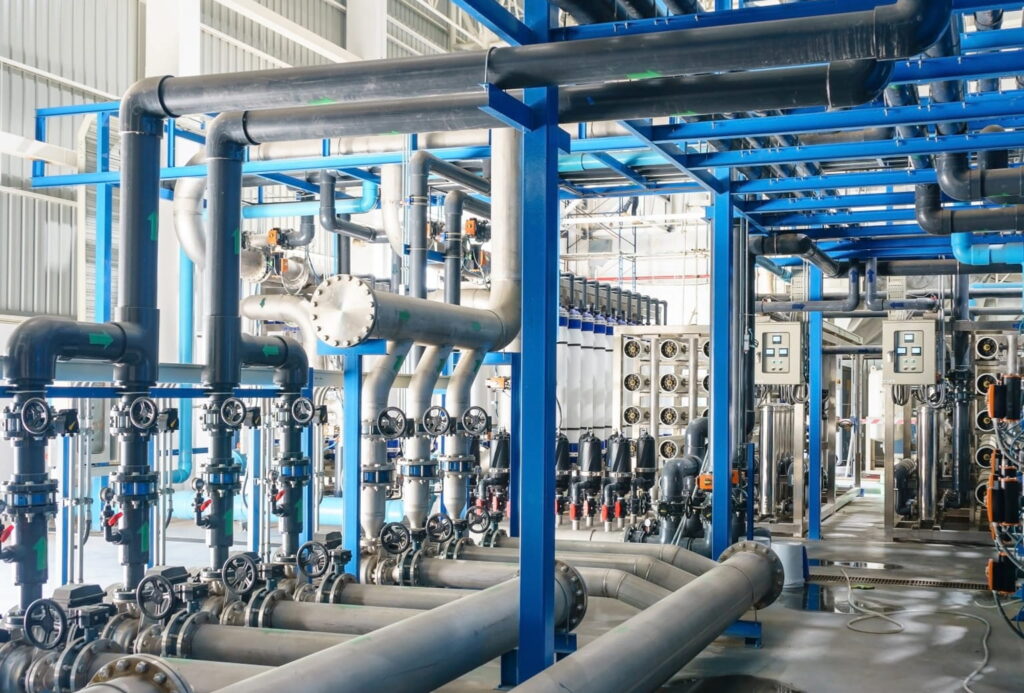
Water and air balance refer to the process of adjusting the flow of water and air in a building’s HVAC (heating, ventilation, and air conditioning) system to ensure that the system is operating efficiently and effectively.
Water balance refers to adjusting the flow of water through the system to ensure that the correct amount of water is flowing through the system to maintain the desired temperature. This includes adjusting the flow of water through the chiller, boilers, and cooling towers, as well as adjusting the flow of water through the coils, pumps, and other components of the HVAC system.
Air balance refers to adjusting the flow of air through the system to ensure that the correct amount of air is flowing through the system to maintain the desired temperature and air quality. This includes adjusting the flow of air through the ductwork, grilles, and registers, as well as adjusting the flow of air through the filters, coils, and other components of the HVAC system.
Insulation work is the process of installing insulation materials to reduce the amount of heat transfer in a building. Insulation is typically installed in walls, attics, floors, and ceilings to keep the building warm in the winter and cool in the summer. The insulation work can be done in both residential and commercial buildings.
There are several types of insulation materials available, each with their own unique properties and benefits.
Some common types of insulation materials include:
Fiberglass: this is a common insulation material made from tiny glass fibers. It is typically used in attics, walls, and floors.
Cellulose: This is made from recycled paper products, treated with fire-retardant chemicals, and it’s known for its high R-value and fire resistance.
Spray foam: This is a foam insulation that can be sprayed into place, expanding to fill gaps and crevices. It is known for its high R-value, air sealing properties, and insulation against sound.


A/C maintenance refers to the regular upkeep and servicing of air conditioning systems to ensure that they are operating efficiently and effectively. This includes tasks such as cleaning, inspecting, and adjusting various components of the system, as well as replacing worn or damaged parts. Regular A/C maintenance can help prolong the life of the system, improve its efficiency, and prevent costly repairs.
It is recommended that A/C maintenance be performed at least twice a year, typically once in the spring and once in the fall, by a professional HVAC technician. Scheduling regular maintenance can help to prolong the life of the system, improve its efficiency and prevent costly repairs.

